

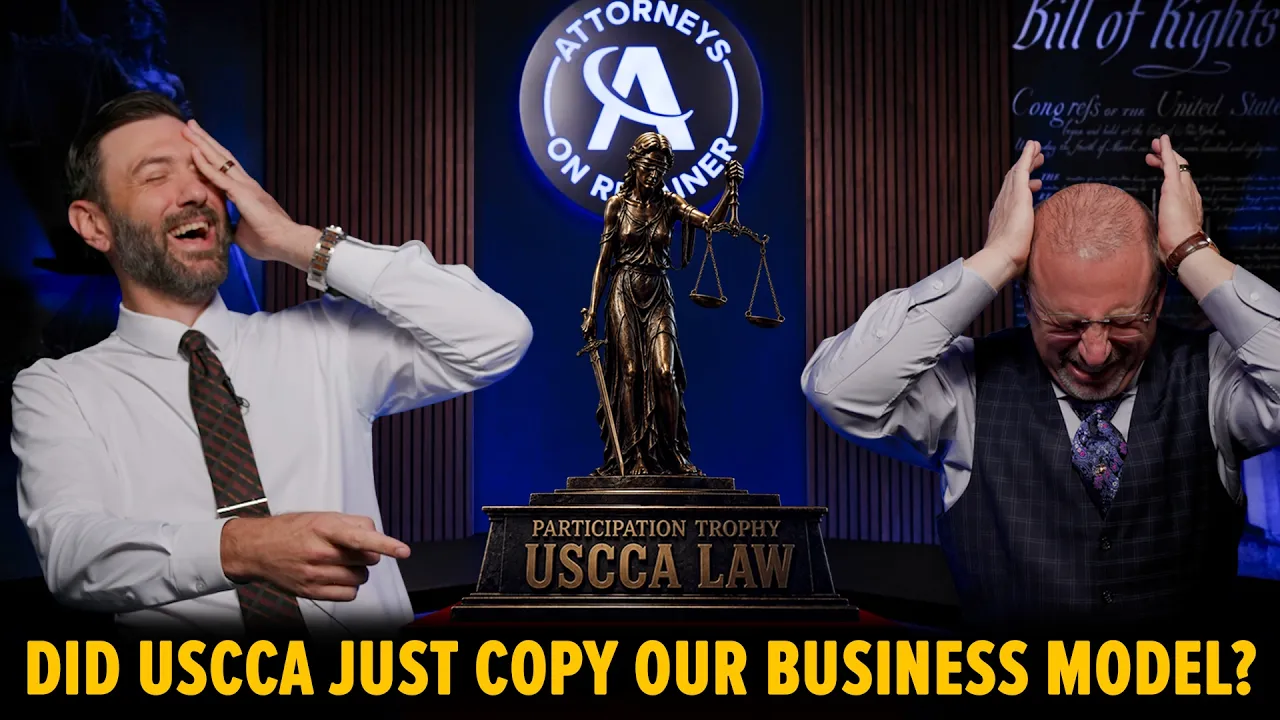
AOR's Critique of USCCA Law!
USCCA has announced USCCA Law, described on its website as a national law firm dedicated exclusively to self-defense cases for USCCA members.
Read More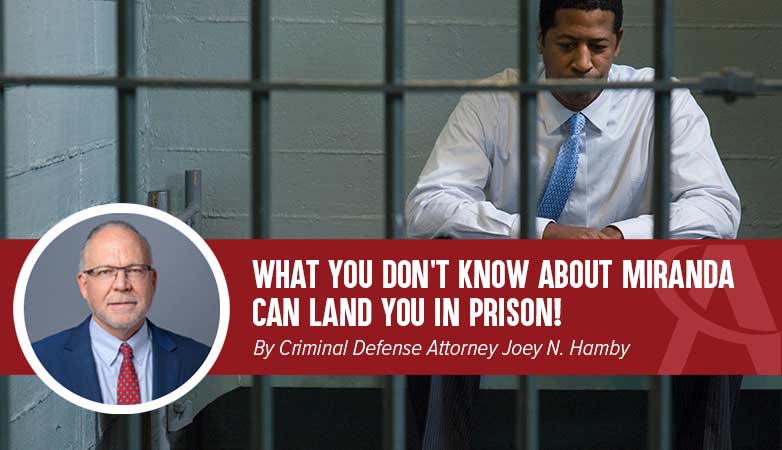
What You Don’t Know About Miranda Can Land You in Prison!
Attorney Joey Hamby explains that the standard Miranda warnings no longer match how courts actually apply them: they only kick in during custodial interrogation, silence alone doesn't protect you, and your demeanor and body language can be used against you. He rewrites each warning in plain, legally accurate language and gives readers one simple line to repeat under pressure: 'I am not talking with you. I want my lawyer.'
Read More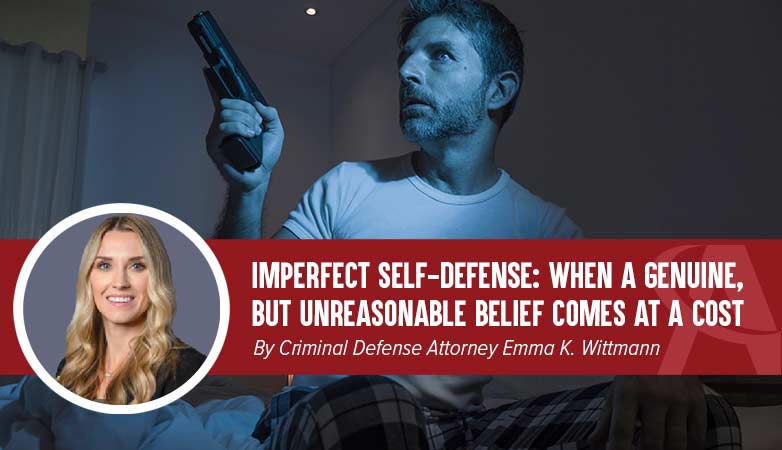
Imperfect Self-Defense: When a Genuine, but Unreasonable Belief Comes at a Cost
Imperfect self-defense applies when someone honestly believed force was necessary but that belief was objectively unreasonable, and in states that recognize it, the doctrine can reduce a murder conviction to a lesser offense like voluntary manslaughter instead of leading to an acquittal. Emma K. Wittmann explains how states split on the issue, with California recognizing it, Texas allowing it only at sentencing, and Arizona rejecting it entirely, which is why a reasonable belief is the foundation of a complete self-defense claim.
Read More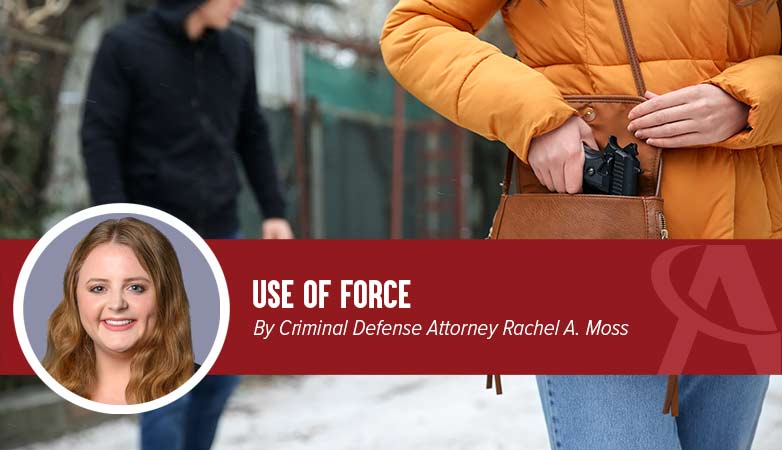
Use of Force
Use of force under self-defense law splits into two categories: ordinary physical force (pushing, hitting, throwing objects) and deadly physical force (anything creating a real risk of death or serious injury, whether or not a weapon is used). The line between the two isn't always obvious since context matters a lot (a six-year-old's punch and a grown man's punch aren't treated the same), so if you ever have to use force to protect yourself, the article stresses calling 911 first, then your attorney.
Read More
Does Overpenetration Matter in a Self-Defense Shooting?
When a bullet passes through an attacker and strikes someone else, being justified in shooting the original threat doesn't automatically cover what happens to that innocent bystander, since prosecutors can separately look at whether the shooter acted recklessly with the shot itself. The article walks through why "know your target and what is beyond it" is as much a legal principle as a range safety rule, and why a criminally justified shooting still doesn't shield someone from potential civil liability for anyone hit downrange.
Read More
Can You Go to Jail Even if it was Self-Defense? Absolutely Yes.
You did everything right. You were in real danger, you defended yourself, and the threat is gone. But being right and being able to prove it are two very different fights, and Attorney Howard A. Snader breaks down why self-defense claims can still land you in handcuffs, in court, and in front of a jury months later.
Read More
Are You Ready to Testify?
In self-defense cases, you're often already "testifying" before you ever meet your attorney, through the 911 call, your body language, even what you don't say. Attorney Joey Hamby breaks down the real fears people have about taking the stand and exactly how he preps clients to handle cross-examination without losing their composure or their case.
Read More
Are You a Reasonable Person?
Feeling threatened is only half the equation. This article breaks down the "reasonable person" standard, the objective legal test that decides whether your split-second decision to use force holds up in court, and why your fear alone won't cut it.
Read More
Attorneys On Retainer Teams Up With O'Mara Law Group to Help an AOR Member - Client Testimonial
Criminal defense attorneys Marc J. Victor, Andrew Marcantel, Emma Wittmann, and Mark O'Mara sit down with an AOR member to discuss his experience working with Attorneys On Retainer, The Attorneys For Freedom Law Firm, and O'Mara Law Group.
Read More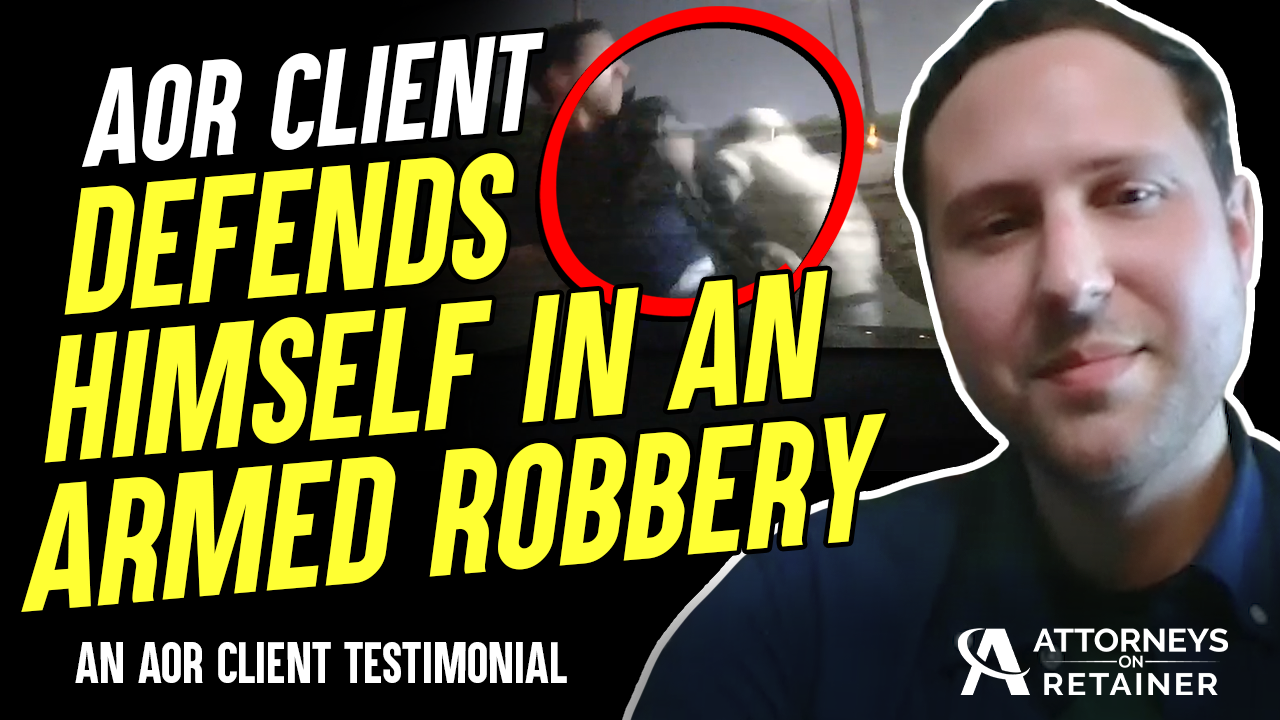
AOR Member Uses Firearm to Act in Self-Defense During Armed Robbery - AOR Client Testimonial
Criminal Defense Attorneys Marc J. Victor, Andrew Marcantel, and Rachel Moss sit down with an AOR member (Ryan) who had to act in self-defense. In this client testimonial, Ryan explains what happened in his incident and describes his experience with Attorneys On Retainer and working the Attorneys For Freedom Law Firm.
Read MoreAs Seen On: