Justice or Just Luck?
By Howard A. Snader
The Incident
It is late, and the bar is crowded. Two people start arguing. Maybe it’s about a spilled drink. Maybe it’s about a comment. Maybe it’s about something that happened last week that never got resolved.
Voices get louder. People start watching. One person steps closer. The other person does not back up. Someone says something insulting. Someone pushes someone. Now people are filming with their phones.
One person swings. The other person responds with force. Maybe it’s a punch. Maybe it’s a knife. Maybe it’s a firearm. Maybe it’s pepper spray.
The fight ends quickly, but the situation does not.
Police arrive. Witnesses are interviewed. Some people say one thing. Some people say another. Someone shows the police a cell phone video, but it only shows the last few seconds.
One person says, “I was defending myself.” The other person says, “I was attacked.”
Now the case is sent to the prosecutor’s office for review.
That is where a decision gets made that can change someone’s life.
The prosecutor needs to decide if this was a crime or if the person using force was justified in using force to protect himself or others from serious physical harm or death. The prosecutor needs to consider whether the amount of force was reasonable and appropriate for the circumstances.
What a Prosecutor Actually Has to Decide

Most people think prosecutors decide whether someone is guilty. That is not their job.
To charge a case, a prosecutor’s job is to determine whether they have a reasonable likelihood of conviction. In other words, they must decide whether they can convince a jury beyond a reasonable doubt that a crime was committed, and that self-defense does not apply because the situation did not warrant it, or the amount of force was unreasonable.
Their question is not: “Do I personally believe this was self-defense?”
Their question is: “Can I convince twelve jurors this was NOT self-defense?”
If the answer is yes, prosecutors may then file charges.
The Factors Prosecutors Look At

Who Started the Confrontation?
Who approached whom? Who threw the first punch? Who escalated the situation? Did anyone try to walk away? Did anyone follow the other person?
Was the Fear Reasonable?
Was there a weapon? Was there a size difference? Were there multiple attackers? Were there threats? How close were the people? Was there a way to escape? How fast did things happen?
How Much Force Was Used?
Did the level of force match the level of threat?
What Happened Before the Incident?
Prior arguments, text messages, emails, social media posts, threats, history between the people, and whether someone brought a weapon to the scene.
What Happened After the Incident?
Who called 911 first? What was said on the 911 call? What was said to the police? Whether someone tried to leave. Whether someone tried to hide evidence. Whether someone helped the injured person. Whether someone identified witnesses.
What Does the Evidence Show?
911 calls, body camera video, surveillance video, witness statements, injuries, medical records, scene evidence, your statements, the other person’s statements.
The Reality Most People Do Not Understand
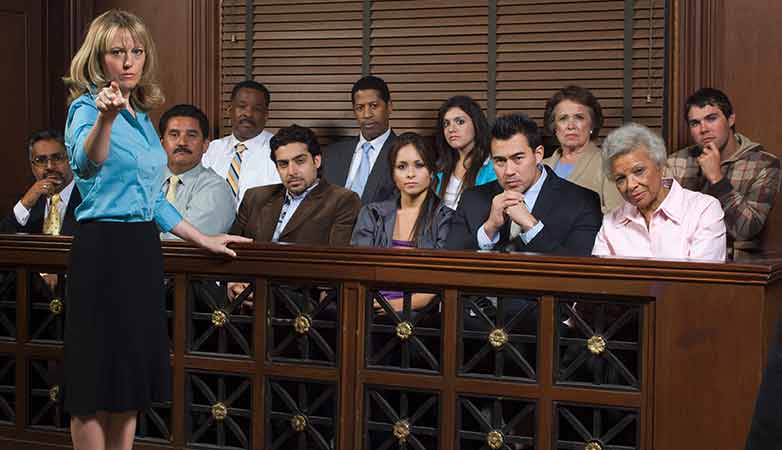
A prosecutor does not have to prove you were wrong in order to charge you. Rather, prosecutors must believe a jury might think YOU were wrong in using force or wrong in the amount of force you used.
Prosecutors are elected officials. Do they want to promote vigilante justice? Or do they believe that everyone has a right to defend themselves?
If the investigation is a toss-up, some prosecutors will charge the case and let a jury decide. In other jurisdictions, the prosecutor may elect to reject charges. There is no clear-cut, right or wrong answer. It really depends on the individual prosecutor, their morality, their policies, and any pressure they may receive from the media or their constituents.
Quick Recap
- Who started it matters.
- Who escalated it matters.
- Whether you tried to leave matters.
- Whether your fear was reasonable matters.
- Whether your force matched the threat matters.
- What you said before the incident matters.
- What you said after the incident matters.
- Evidence matters.
- Witnesses matter.
- Video matters.
- Your behavior matters.
And finally, your legal defense team matters!
Self-defense cases are not decided by one fact. They are decided by the total picture.
The entire incident may have lasted ten seconds.
But months later, a prosecutor who was not there will sit at a desk, review reports, watch videos, read statements, and try to answer one question:
If I put this case in front of twelve jurors, what will they do?
That is the question that often decides whether a self-defense case gets charged.
Understanding self-defense is not just about knowing when you can use force. It is about understanding how your actions will be judged after everything is over.
About the Author
Senior Criminal Defense Attorney

Howard joined Attorneys For Freedom to continue his focus on providing vigorous defense, with special emphasis on self-defense cases and protecting constitutional rights. His practice blends relentless courtroom advocacy, creative problem-solving, and disciplined case management.
All Posts by Howard A. Snader | Howard A. Snader's Full BioHave a Question About AOR Membership?
Our team is ready to walk you through your options. Fill out the form and we’ll be in touch shortly.